 Platform
From WhatsApp bookings to a live dispatch platform
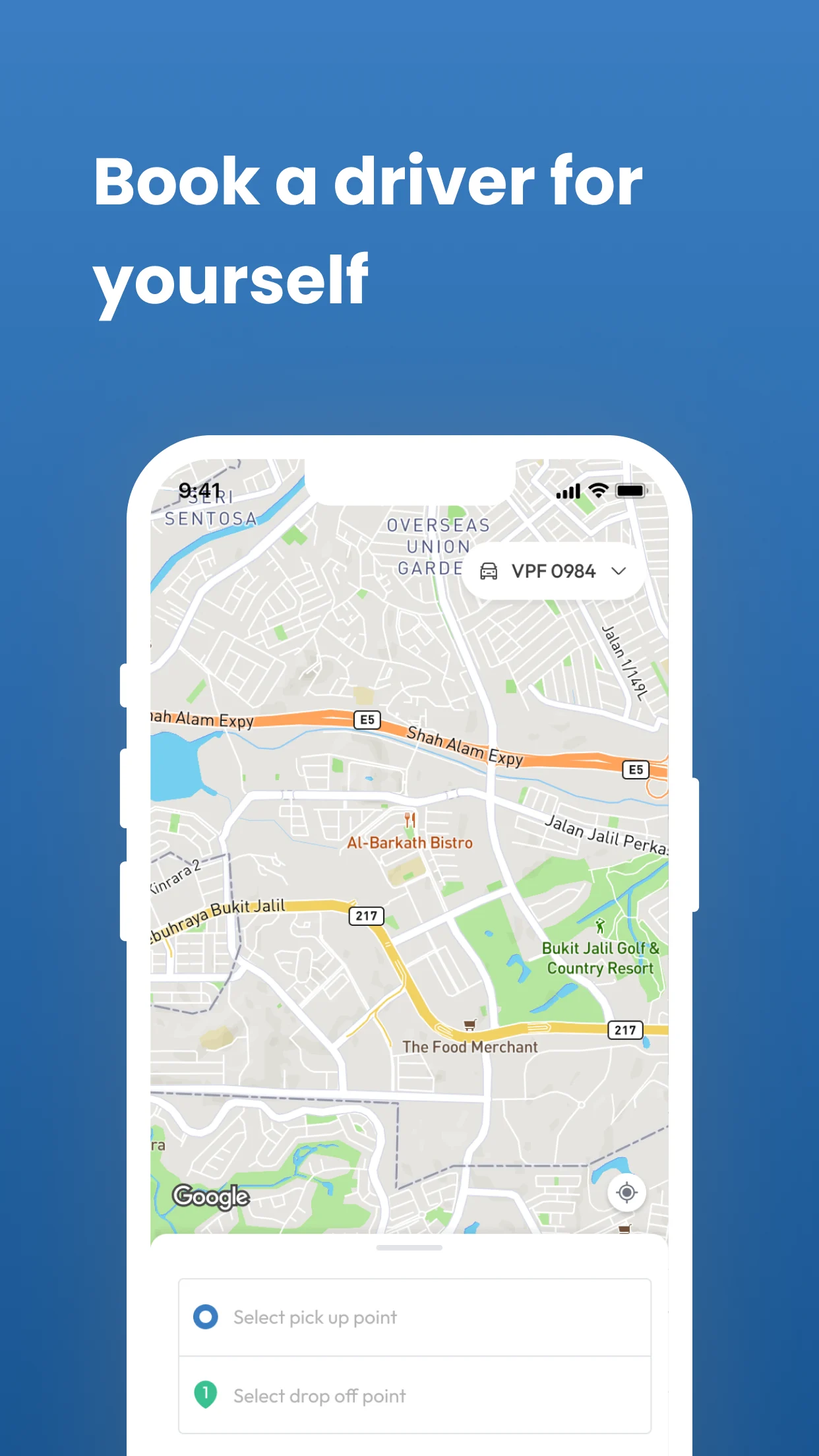
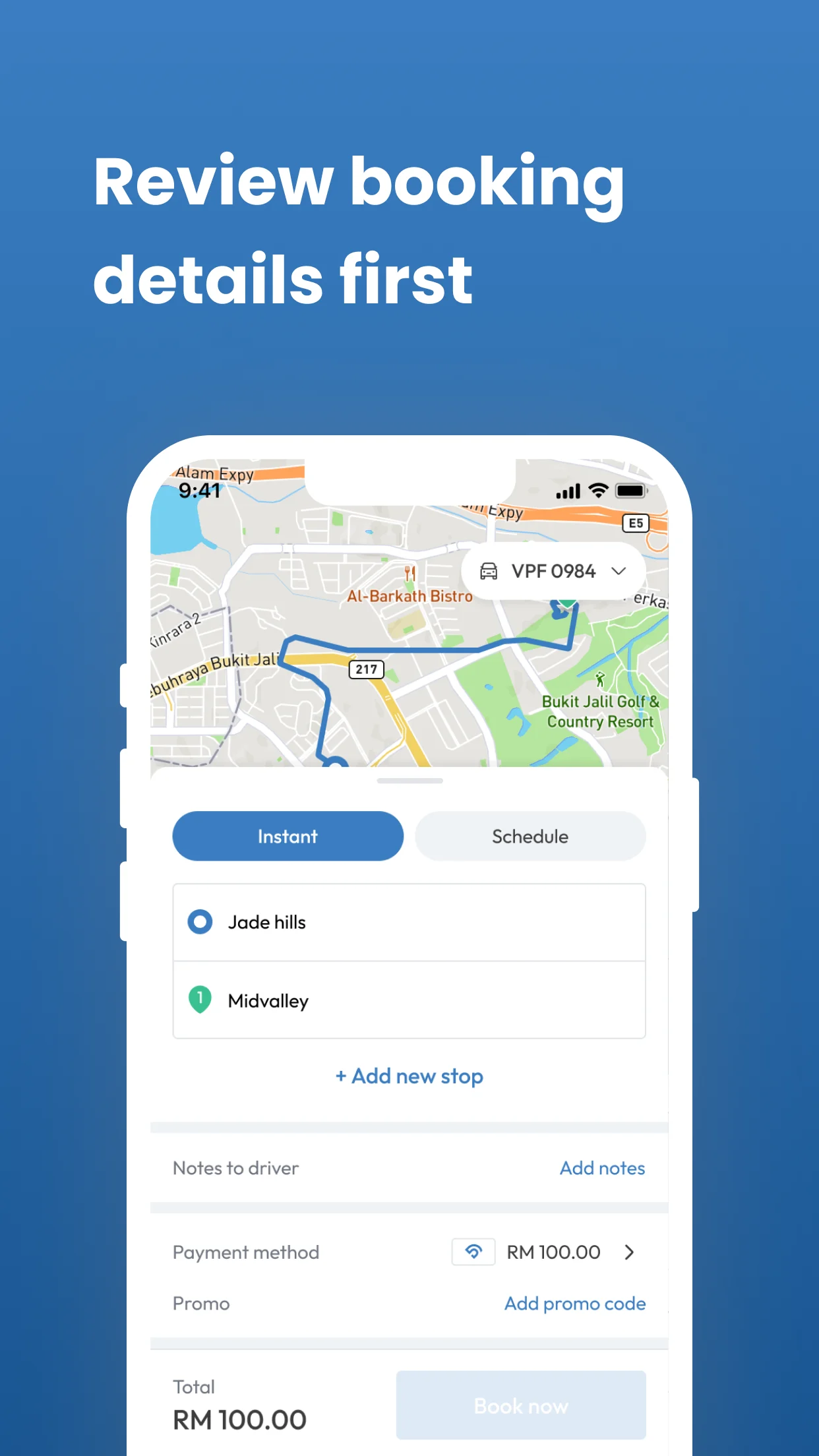
DayDreamer digitalised DDDrive's designated driver operation end to end, replacing WhatsApp-and-customer-support bookings with a customer app, a driver app, and an admin portal that carries every job from dispatch through fulfilment to settlement. Customers book on demand or schedule ahead, and on demand they can watch their driver's live location and ETA. The UI/UX was designed so each screen makes the next step obvious, keeping the time in the app on booking rather than on learning the app. DayDreamer also manages the server traffic behind it, so DDDrive's own team can put its attention on marketing and growth. The platform has carried more than 5,000 trips since launch.
Overview
Every DDDrive booking used to arrive as a WhatsApp message for customer support to work through by hand. DayDreamer replaced that with a platform — a customer app that books a driver now or ahead of time, a driver app for taking the work on, and an admin portal that carries a job from dispatch through to settlement. All three were designed as well as built, so the time a customer spends in the app goes on booking rather than on working out how the app behaves.
Background
DDDrive (DDDRIVE Sdn. Bhd.) is a Malaysian designated driver service — “You Drink, We Drive” — whose professional drivers get customers home in their own vehicle rather than in a stranger's. It runs 24/7 and, by its own published figures, works with more than 100 professional drivers.
Taking bookings by hand over WhatsApp works while volumes are small: customer support can hold the whole operation in their heads. As DDDrive grew that stopped being true — dispatching a driver, tracking the job in progress, and settling it afterwards were all manual, so the business could only carry as much as its support team could personally process. And because the service exists to keep people from driving after a drink, booking one has to be easier than the alternative.
What we delivered
UI/UX design
Product design
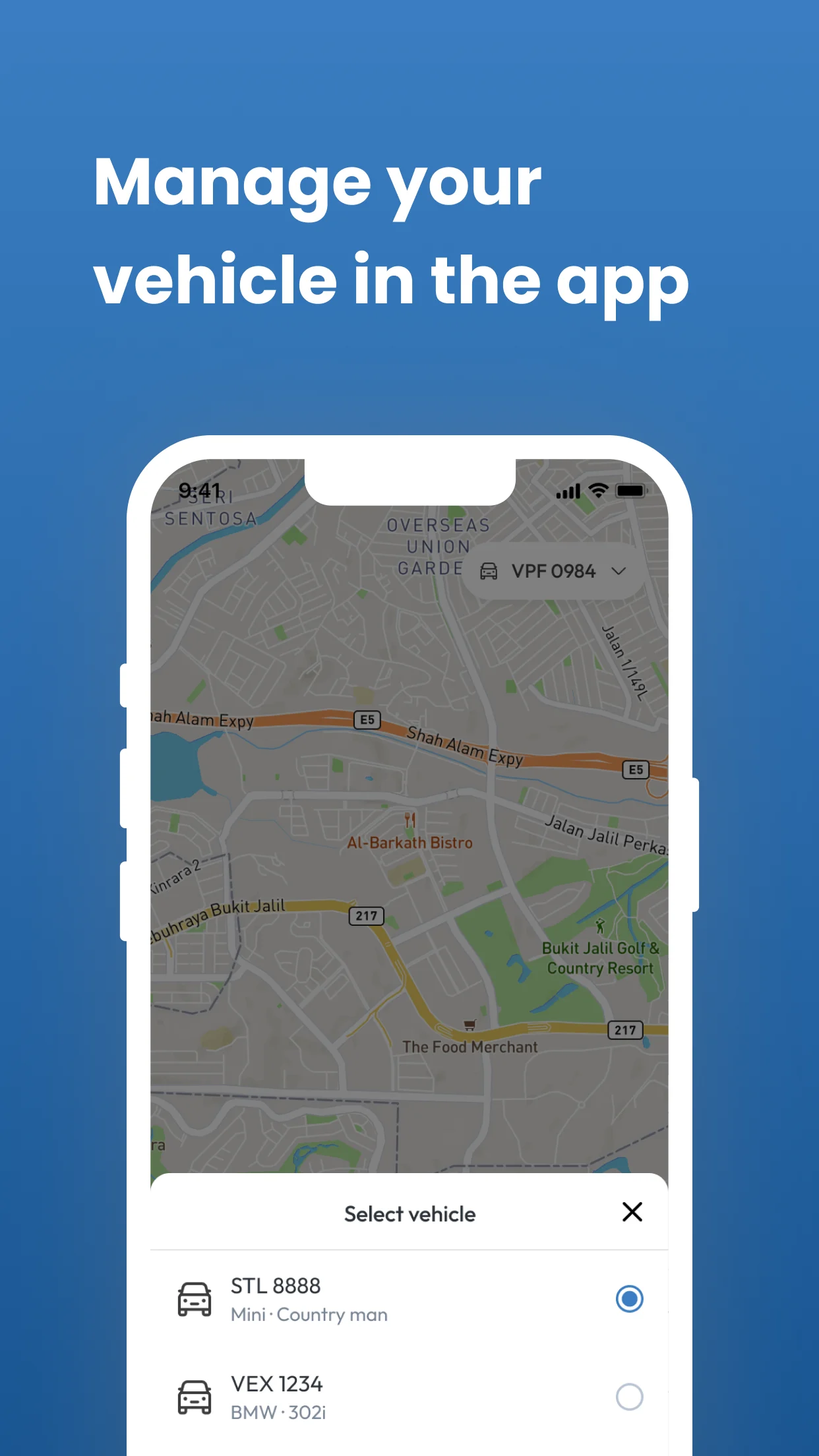
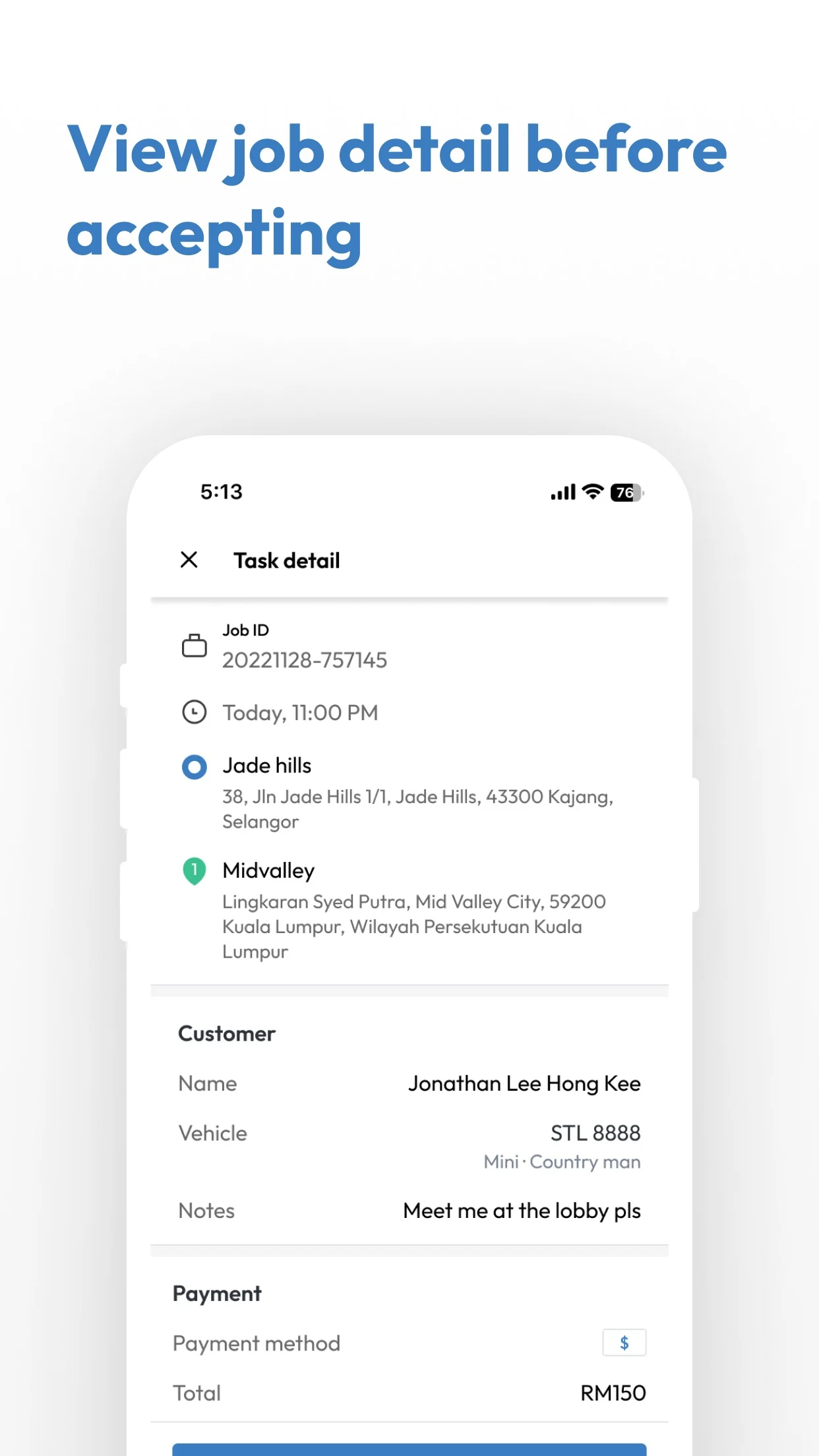
Designed the customer, driver, and admin interfaces so each screen makes the next step obvious — the point being that people spend their time booking or driving, not working out how the app behaves.
Customer app
Mobile app
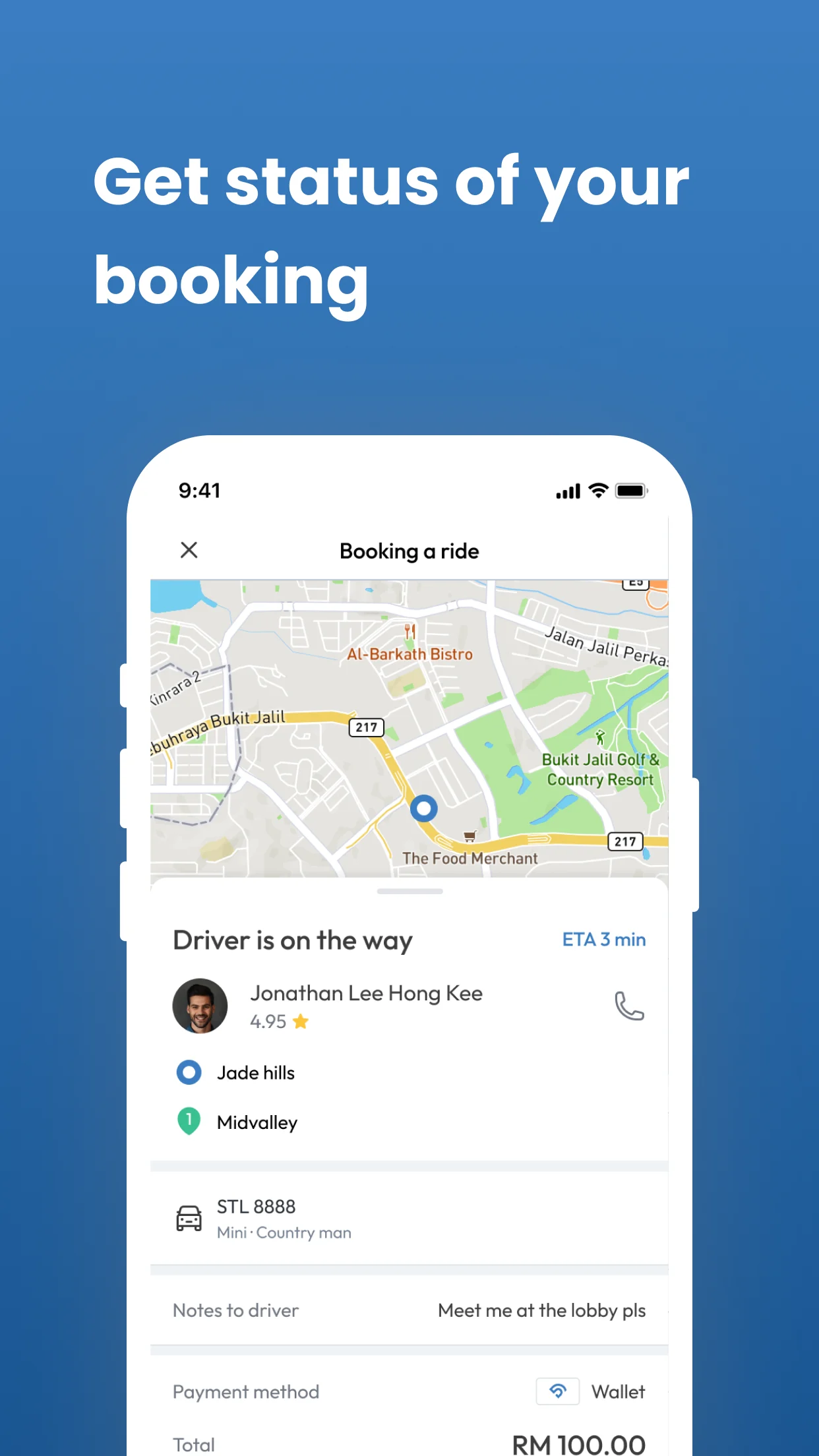
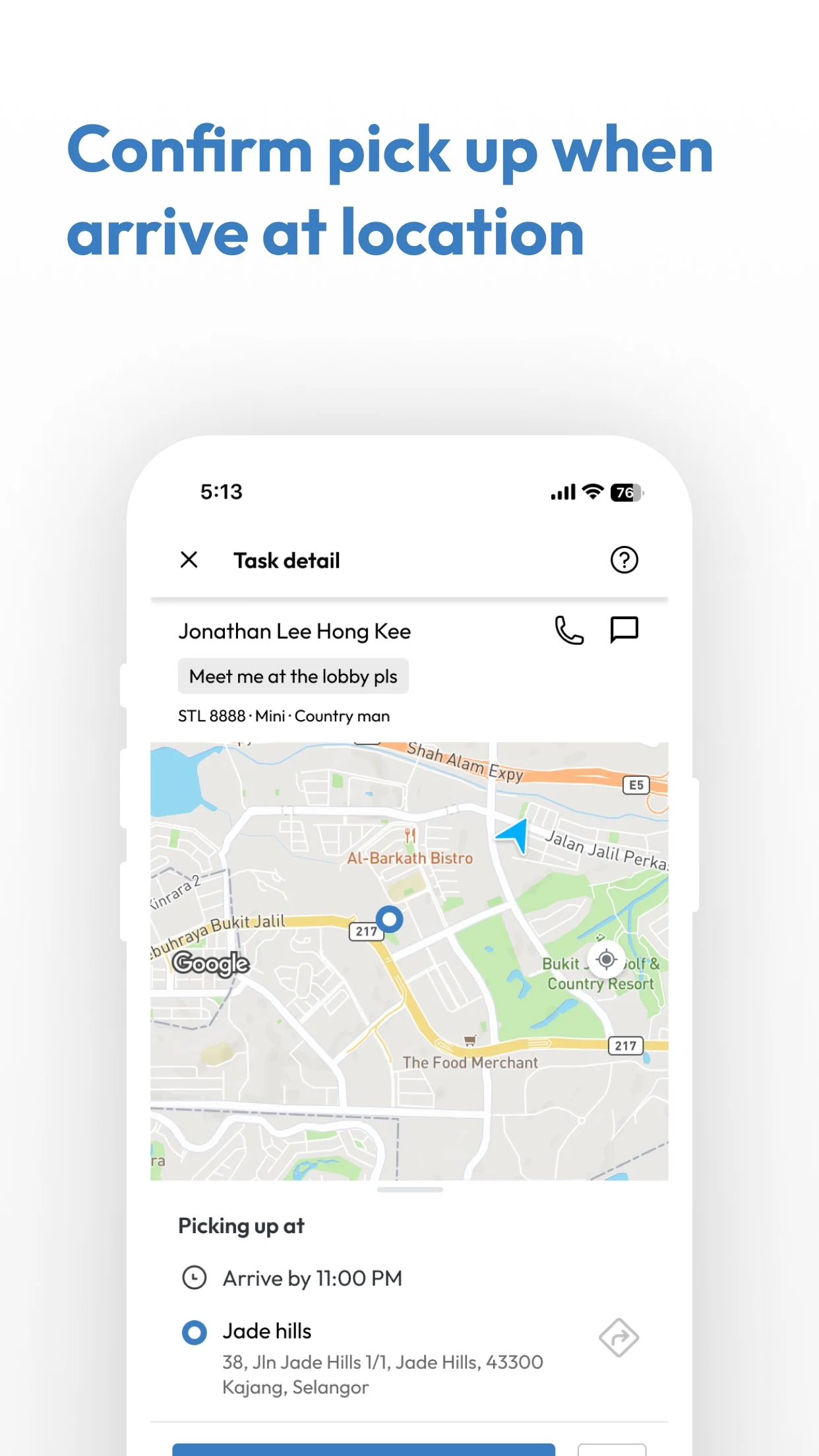
Built the app customers book from — a driver now, or scheduled for later — with the assigned driver's live location and ETA on on-demand jobs, so the wait is visible instead of guessed at.
Driver app
Mobile app
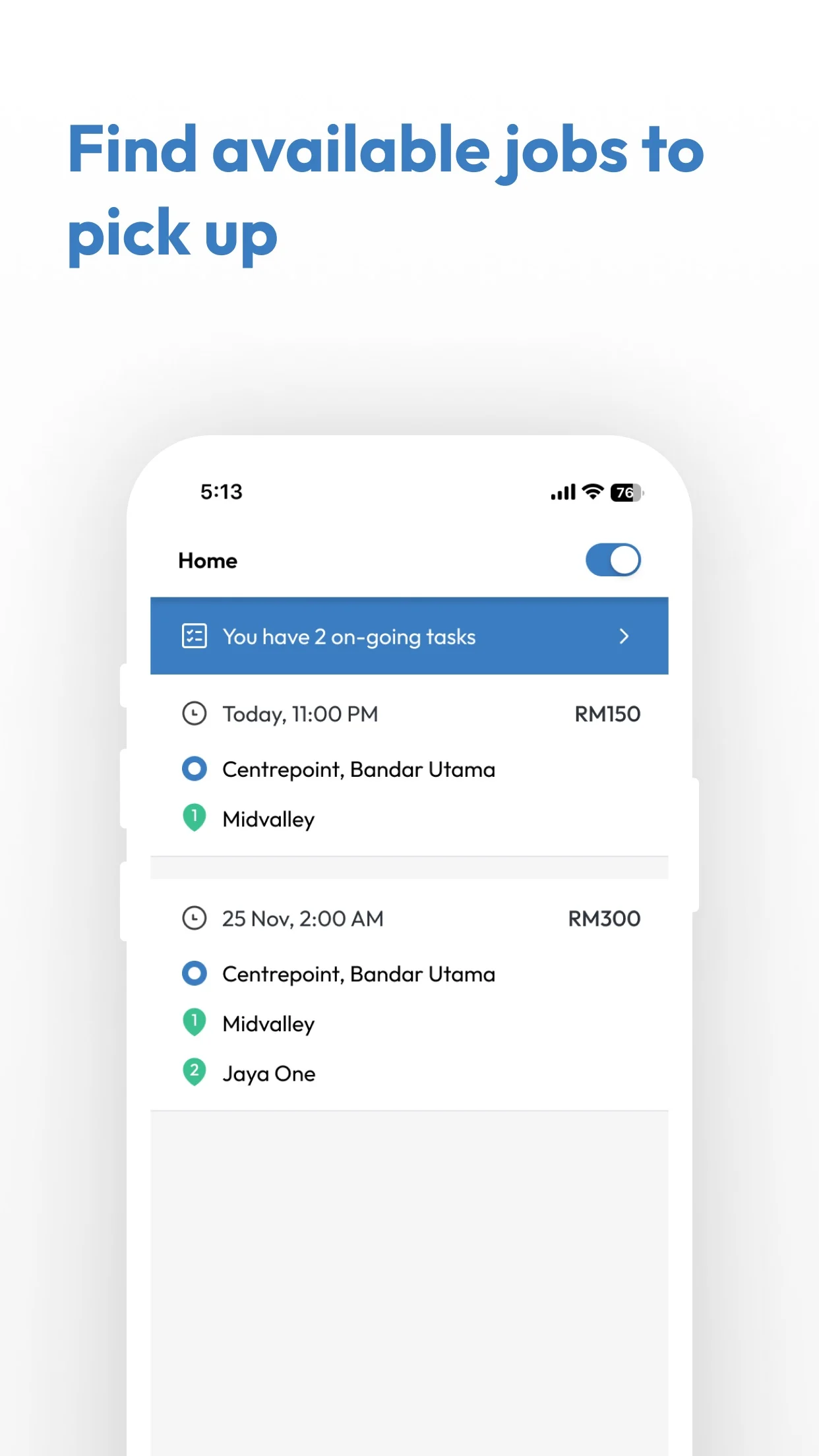
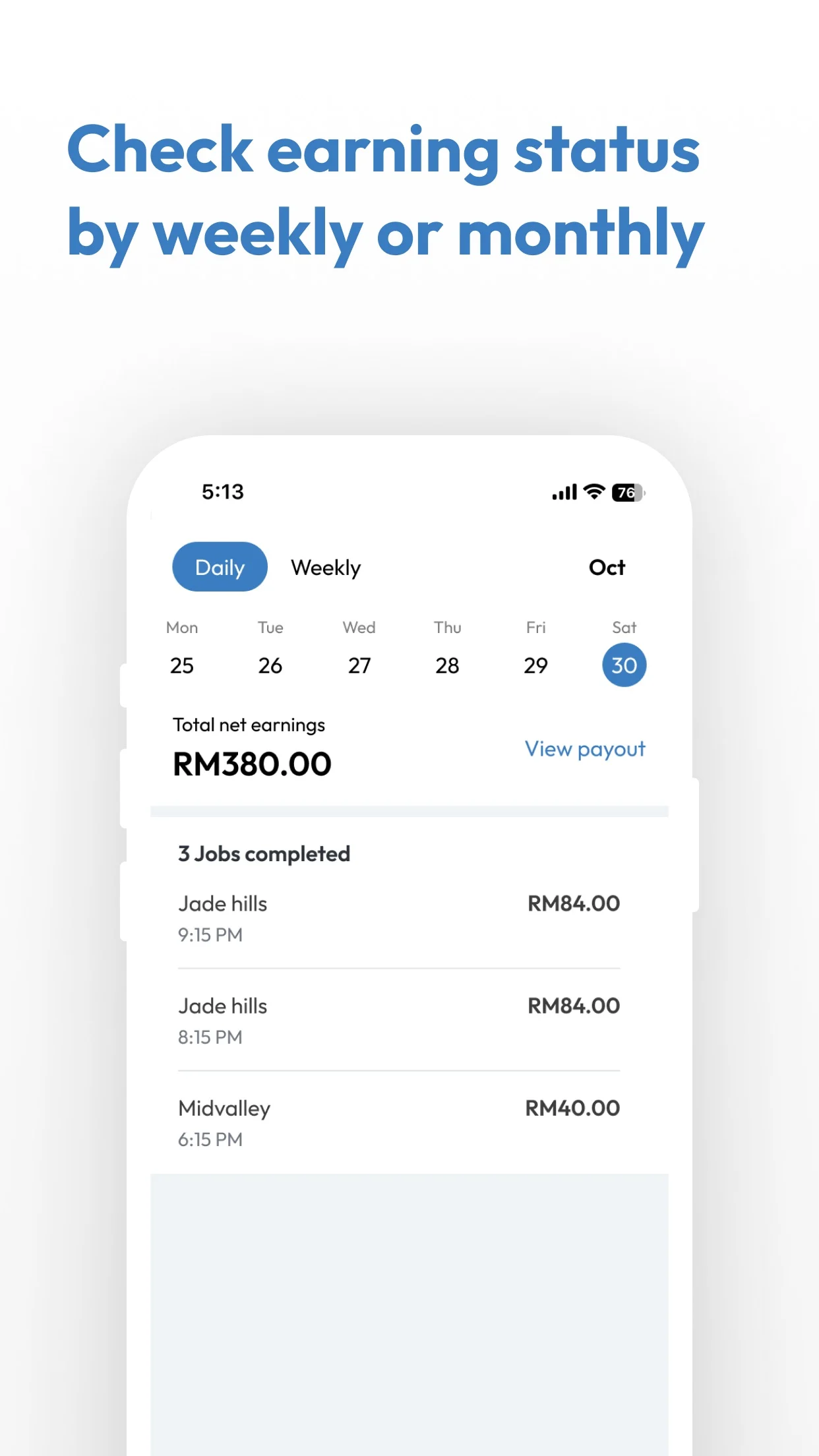
Built the driver-side app for taking on jobs and running them through to completion, so driving for DDDrive fits around a driver's own hours as side income.
Admin portal
Operations platform
Built the portal the DDDrive team runs the business from, covering the whole job lifecycle — dispatch, fulfilment, and settlement — that used to be handled by hand.
Traffic & server management
Managed cloud
Manages the server traffic behind both apps so performance holds through demand peaks, keeping the journey smooth for customers and drivers alike.
Tech & tools
Outcomes
5,000+
trips fulfilled through the platform since launch
- →Replaced WhatsApp-and-customer-support bookings with a customer app that takes jobs on demand or scheduled ahead.
- →Designed the interfaces so the apps explain themselves — the time a customer spends in one goes on booking, not on learning how it works.
- →Gave drivers an app of their own to take work on, making DDDrive practical as flexible side income around their own hours.
- →Put dispatch, fulfilment, and settlement in one admin portal, so the operation no longer runs on manual handoffs.
- →Showed customers their driver's live location and ETA on on-demand bookings, so waiting no longer means calling to ask.
- →Took server traffic off the team's plate — DayDreamer manages it, leaving DDDrive free to focus on marketing and growth.
Built with
Frequently asked questions
We take bookings over WhatsApp — can you turn that into a proper app?+
Yes. That was exactly DDDrive's starting point: every job arrived as a WhatsApp message for customer support to handle by hand. We replaced it with a customer app, a driver app, and an admin portal that carries a booking from dispatch to settlement. Moving a business off manual, chat-based ordering is work we've taken end to end.
Can you build both sides of an on-demand service — the customer app and the driver app?+
Yes. DDDrive runs on two apps we built: customers book and track from one, drivers take on and run jobs in the other, with an admin portal behind both. When a business has two sides to serve, we build both of them plus the operations layer that keeps them in step.
Can customers see where their driver is and when they'll arrive?+
Yes. On DDDrive's on-demand bookings the customer sees the assigned driver's live location and ETA, so nobody has to call to ask where the driver has got to. Live tracking and ETA are standard parts of the booking and dispatch systems we build.
Do you design the app as well as build it?+
Yes — design is part of the build, not a separate step you have to source elsewhere. On DDDrive we designed the customer, driver, and admin interfaces so each screen makes the next step obvious, which keeps the time someone spends in the app on the thing they opened it to do.
Do you keep the servers running after launch?+
Yes. We manage DDDrive's server traffic so both apps stay responsive through demand peaks, which for a designated driver service means nights and weekends. That frees their team to spend its time on marketing and growth instead of on infrastructure.